

Design Build vs Traditional Contractor: Which Is Right for Your Brevard County Project? - 5 October 2026
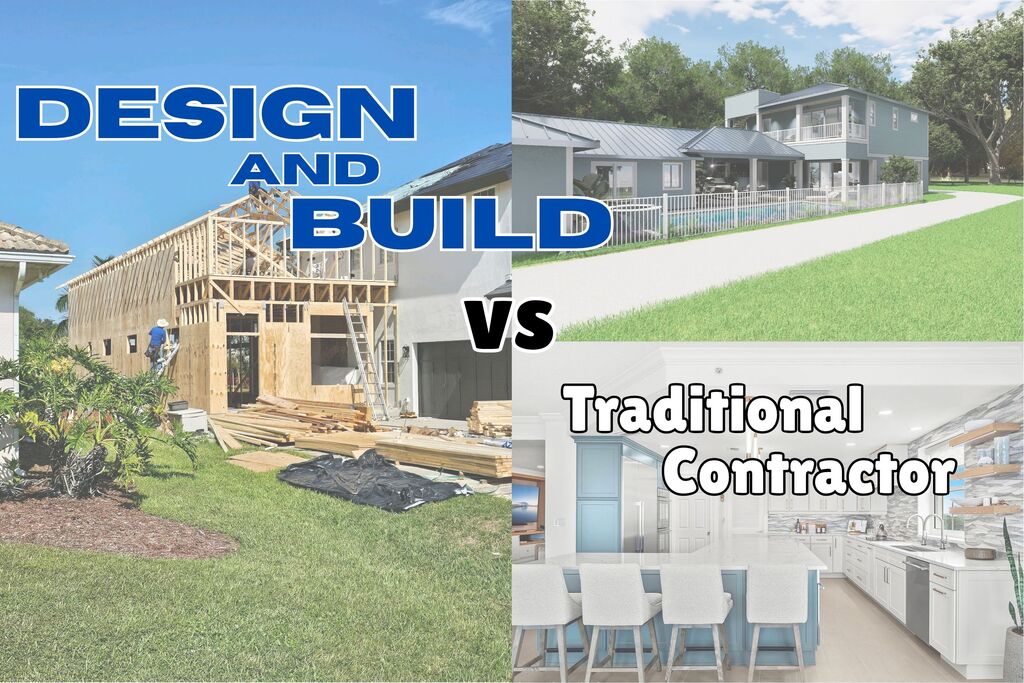
When you start planning a remodel or addition in Brevard County, one of the first decisions has nothing to do with cabinets, tile or windows. It is how the project will be organized. Do you hire an architect or designer first and then find a contractor to build the plans, or do you hire one company to handle both? That is the heart of the design build vs traditional contractor question, and the answer shapes communication, budgeting, scheduling and how many different people you will be coordinating along the way.
Neither approach is right for every project. This guide explains how each one works, where each one tends to shine and what to ask before you commit.
What Is a Design Build Contractor?
A design build contractor handles both the design and the construction of your project under one contract and one team. Planning, budgeting, material selection, permit coordination and construction are managed together instead of being passed between separate companies.
For the homeowner, that usually means a single point of contact from the first consultation through the final walkthrough. East Coast Construction SD offers design and build services for remodels, additions and new construction, so the people helping you shape the plan are the same people who will be responsible for building it.
How the Traditional Process Works
The traditional approach is often called design bid build. It generally follows three steps:
- You hire an architect or designer, who develops the plans.
- Those plans go out to one or more contractors for pricing.
- You select a contractor, who builds the project from the finished plans.
This method has real strengths. The designer works independently from the builder, you can compare pricing from several contractors against the same set of drawings, and the roles are clearly separated.
The weak spot is timing. Plans are often completed before anyone has priced them. If bids come back higher than expected, the design may need to be revised, which can add time and design fees. Questions that come up during construction may also travel between three parties: you, the designer and the contractor.
Key Differences Between the Two Approaches
Communication and Accountability
With design build, one company is responsible for the whole process. If a design detail turns out to be difficult to build, there is no question about who resolves it. With the traditional model, the designer and contractor are separate, and you may find yourself in the middle when something does not line up between the drawings and the field.
Budget Awareness During Design
When the builder is part of the design conversation, cost feedback happens as the plan develops rather than after it is finished. That can help you make adjustments early, such as simplifying a layout or choosing a different material, before time has been spent on drawings you may not be able to afford to build. Actual costs always depend on project scope, materials, existing conditions and other factors, so a detailed written estimate is still essential with either approach.
Scheduling and Coordination
Fewer handoffs between companies can make scheduling more straightforward, particularly when design, permitting and construction planning overlap. That said, actual timelines vary based on scope, permitting, material lead times and the condition of the existing structure, so it is worth discussing an expected schedule directly with whoever you hire.
Design Control and Flexibility
Some homeowners prefer the independence of working with their own architect, especially for a highly custom design vision. Others prefer a team that designs with construction realities in mind from the start. Both are valid, and the right choice depends on how much design involvement you want and how complex the project is.
Competitive Bidding
This is the strongest argument for the traditional route. If you want several contractors to price the same set of plans, design bid build makes that comparison possible. With design build, you are selecting a team based on its experience, process and track record rather than on bids for identical drawings.
When Design Build Tends to Make Sense
Design build is often a good fit for kitchen and bathroom remodels, full home remodels and additions, where decisions about layout, materials and construction are closely connected. It also works well for commercial projects such as restaurant, cafe and office buildouts, where coordination and schedule matter and the owner may not want to manage several separate firms.
It can be especially helpful with older homes. Existing plumbing, electrical and framing conditions are not always obvious until walls are opened, and having a builder involved during planning can help identify likely issues earlier.
When a Traditional Approach May Be a Better Fit
The traditional method may be the better choice if you already have an architect you trust, if your project has a very specific custom design that you want an independent designer to control, or if you want to collect and compare multiple contractor bids on the same plans. Some commercial and public projects also require a formal bidding process.
Florida and Brevard County Considerations
Building along the Space Coast comes with conditions that affect both design and construction. Salt air, humidity and storm exposure influence which materials hold up well, especially for windows, doors, exterior finishes and cabinetry near moisture. Many homes in Cocoa Beach, Cape Canaveral, Satellite Beach, Melbourne and Rockledge are older, with existing systems and layouts that were not designed with today's expectations in mind.
Having a contractor who works in these conditions every day involved early in the planning stage can help keep the design practical. Permit requirements also vary by project scope and jurisdiction, and codes are updated over time, so confirm current requirements with your contractor and the local building department rather than assuming they are the same for every job.
Questions to Ask Before You Hire
Whichever route you choose, a few questions can help you compare your options:
- Who is responsible for the design, and who is responsible for the construction?
- Will I receive a written scope of work and an itemized estimate before construction begins?
- How are changes to the plan handled and priced?
- Who manages permitting and inspections?
- Can I see examples of completed projects similar to mine?
- Is the contractor licensed in Florida? You can verify a license through the state's licensing board.
A contractor who answers these clearly and puts the answers in writing is usually a good indicator of how the rest of the project will go.
Choosing the Right Approach for Your Project
There is no single correct answer. If you want one accountable team, early feedback on cost and a simpler process to manage, design build is worth serious consideration. If you want an independent designer or the ability to compare competing bids on the same plans, the traditional route may suit you better.
If you are still weighing your options, East Coast Construction SD offers free in home consultations and free estimates for homeowners and commercial property owners from Cocoa Beach to Melbourne, Rockledge and Viera. With 21 years of experience serving Brevard County, we are happy to talk through your project and explain how our design and build process would work for it. You can also visit our Cocoa Beach showroom to see and compare cabinets, countertops, flooring, tile, fixtures, windows and doors in person. Call 321 676 8972 or visit eastcoastconstructionsd.com to get started.